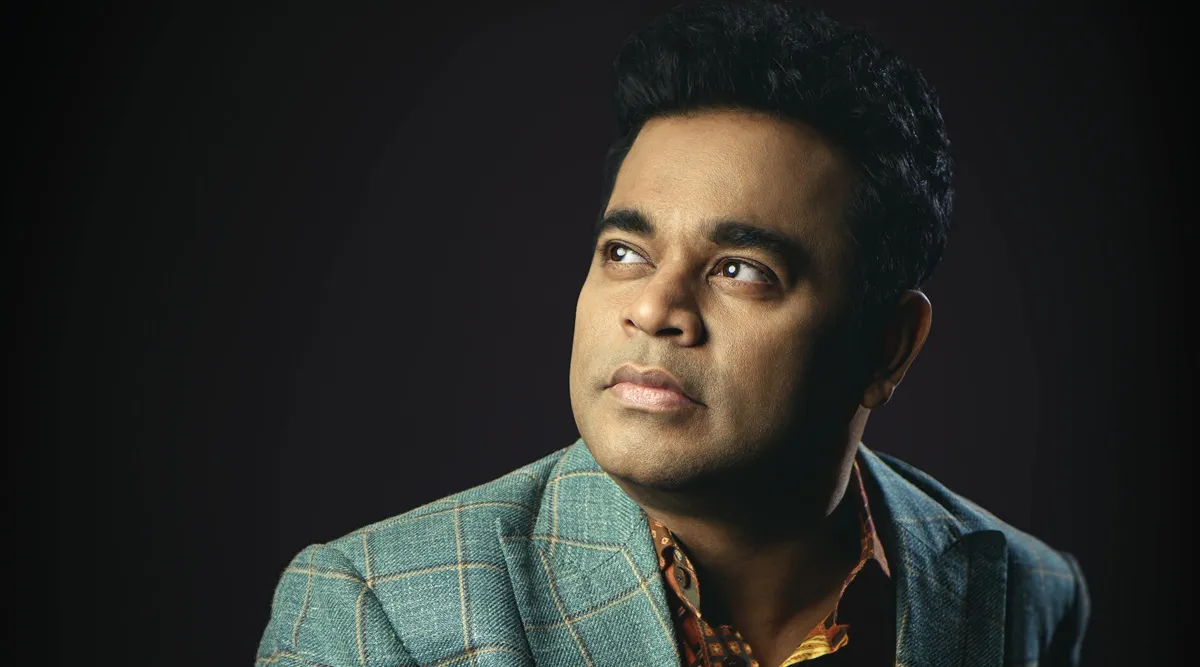
In a world where music transcends boundaries and cultures, few artists embody this global spirit like A. R. Rahman. Born as A.S. Dileep Kumar in Chennai, India, Rahman’s journey from a struggling keyboard player in a local band to a globally acclaimed composer is nothing short of extraordinary. Dubbed the “Mozart of Madras,” he has redefined contemporary Indian music, leaving an indelible mark on the international music scene.
This biography delves into the life of A. R. Rahman, exploring his early struggles, profound spiritual transformation, and meteoric rise to fame. It’s a tale of resilience, innovation, and the relentless pursuit of musical excellence that propelled a shy, introverted boy into a legendary composer, whose melodies continue to resonate with the spirit of music across the world.
A. R. Rahman: Early Life and Childhood
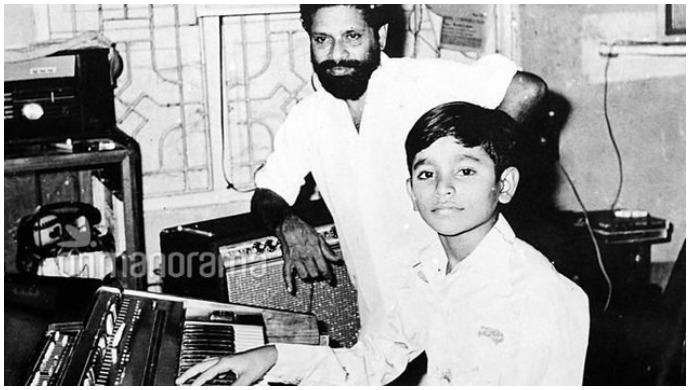
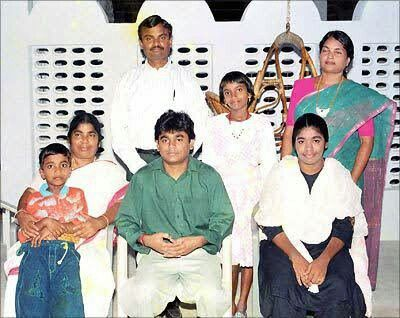
Raised in a musically inclined family, Rahman was exposed to a rich tapestry of sounds from an early age.
Rahman’s family followed Hinduism, but he later converted to Islam after experiencing a spiritual awakening.
His childhood was marked by both struggles and inspiration, as the family faced financial difficulties after his father’s death.
Rahman’s love for music blossomed during these formative years, and he began experimenting with various instruments and styles.
His exposure to Qawwali, Carnatic music, and Western classical music laid the foundation for his unique musical sensibilities.
Despite the challenges, Rahman’s unwavering passion for music fueled his determination to create something extraordinary.
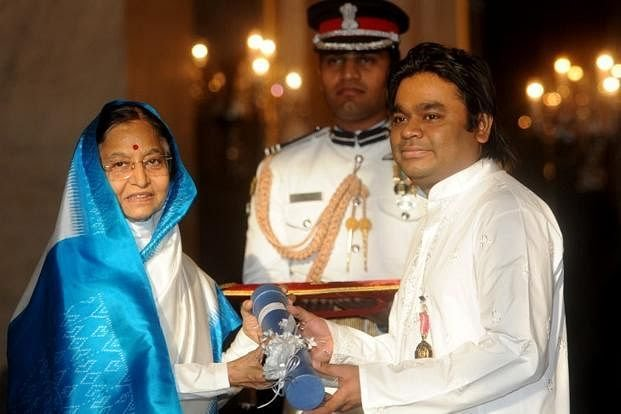
– Best Original Score for “Slumdog Millionaire” (2009)
– Best Original Song for “Jai Ho” from “Slumdog Millionaire” (2009)
BAFTA Award:
– Best Film Music for “Slumdog Millionaire” (2009)
Grammy Awards:
– Best Compilation Soundtrack for Visual Media for “Slumdog Millionaire” (2010)
– Best Song Written for Visual Media for “Jai Ho” (2010)
Golden Globe Award:
– Best Original Score for “Slumdog Millionaire” (2009)
National Film Awards (India):
– Best Music Direction (Multiple Years)
ar rahman awards
A. R. Rahman: Popular Song
Year
Song Title
Movie/Album
1992
“Roja Jaaneman”
Roja
1995
“Chaiyya Chaiyya”
Dil Se
1998
“Jai Ho”
Slumdog Millionaire
2008
“Maa Tujhe Salaam/Vande Mataram”
Vande Mataram
1997
“Taal Se Taal Mila”
Taal
1999
“Kun Faya Kun”
Rockstar
2011
“Tum Ho”
Rockstar
2011
“Nadaan Parinde”
Rockstar
2011
“Dil Se Re”
Dil Se
1998
“Urvashi Urvashi”
Humse Hai Muqabala/Kadhalan
1994
“Khwaja Mere Khwaja”
Jodhaa Akbar
2008
“Munbe Vaa”
Sillunu Oru Kaadhal
2006
“Mozart of Madras” (nickname-related song, not composed by Rahman)
Frequently Asked Questions
What does “A. R.” stand for in A. R. Rahman’s name?
A. R. Rahman’s full name is Allah Rakha Rahman. The initials “A. R.” represent his first name and his father’s name, R. K. Shekhar.
When did A. R. Rahman gain international recognition?
Rahman gained global acclaim with his groundbreaking soundtrack for the film Roja (1992). The film’s music transcended language barriers and introduced his unique fusion of Indian classical music and contemporary sounds to the world.
How many Academy Awards has A. R. Rahman won?
A. R. Rahman has won two Academy Awards (Oscars). He received them for Best Original Score and Best Original Song for the film Slumdog Millionaire (2008).
What is A. R. Rahman’s favorite instrument?
Rahman has a deep affinity for the keyboards. He often incorporates keyboard melodies into his compositions, infusing them with his signature magic.
Is A. R. Rahman involved in philanthropic work?
Yes, Rahman actively supports various charitable causes. His foundation, the A. R. Rahman Foundation, focuses on education, healthcare, and disaster relief.
What languages does A. R. Rahman compose music in?
Rahman composes music in several languages, including Tamil, Hindi, English, and other regional Indian languages. His versatility allows him to connect with diverse audiences.
Elgin Baylor was an American professional basketball player, coach, and executive. He played 14 seasons as a forward in the National Basketball Association (NBA) for the Minneapolis/Los Angeles Lakers. Baylor was known for his acrobatic moves and his ability to score points in a variety of ways. He was inducted into the Naismith Memorial Basketball…
Nicolás Olmedo is a well-known Argentine football midfielder who has made a name for himself in the world of sports. Born on March 10, 1983, in Godoy Cruz, Argentina, Olmedo started his career in 2002 with Godoy Cruz. He played for the team while they were in the Primer on its 2004-05 season. Throughout his…
Gonzalo Rodríguez was a talented Uruguayan racing driver who tragically lost his life during a practice session at Laguna Seca Raceway in 1999. Born on January 22, 1971, in Montevideo, Uruguay, Rodríguez began his racing career at a young age, quickly establishing himself as a skilled driver in various racing series. He competed in Formula…
Bernard Dietz is a former German football player and manager born on March 22, 1948. He is best known for captaining the West Germany national team to victory in the UEFA Euro 1980. Dietz played as a defender and was known for his leadership skills on the field. He retired from professional football in 1987…
Marcelo Ojeda is a former Argentine football goalkeeper who played for both Argentina and Spain. He began his career in 1987 with Defensa y Justicia in the Argentine 2nd division before moving on to Club Atlético Lanús of the Argentine Primera in 1990. Ojeda played for Lanús until 1994 when he joined CD Tenerife where…
Myles Horton (1905-1990) was an American educator, socialist, and activist who dedicated his life to promoting adult education and social justice. He co-founded the Highlander Folk School in Tennessee in 1932, which became a center for labor and civil rights activism, and is now known as the Highlander Research and Education Center. Horton’s work at…